Their Challenge
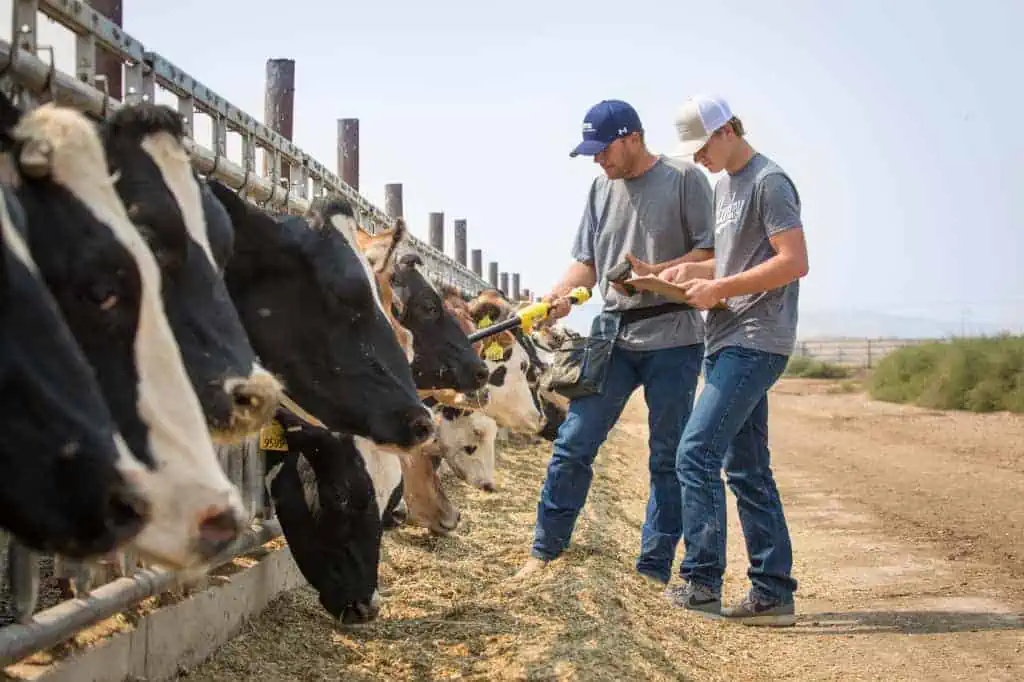
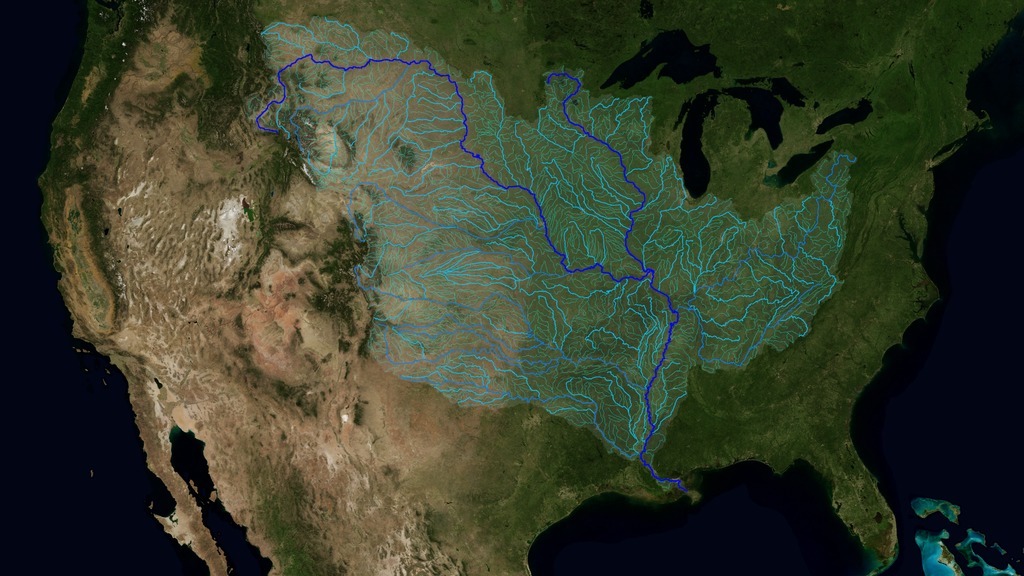
Stretching 3,000 miles and weaving through 31 states, the Mississippi River is a lifeblood of commerce, community, recreation, and transportation, and its health and sustainability are profoundly vital to millions. In 2014, key leaders from a variety of sectors came together to share perspectives and discuss the care and management of this crucial resource, and Conversant led the way.
Big River, Big Challenges: With stakeholders having passionate and sometimes opposing views, we needed to design conversations and programs that were innovative, engaging, and sensitive to varying perspectives.
Our Approach
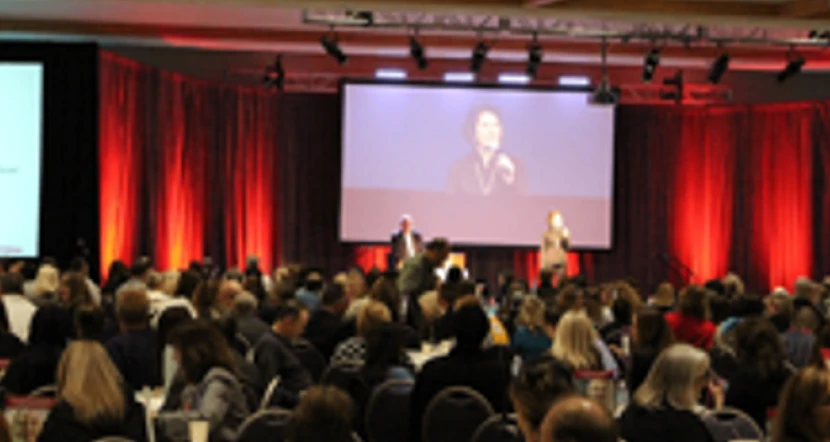
To support the multigroup collaboration required for stakeholders throughout the Mississippi River basin, we developed a 2½ day event focused on action. We brought leaders and influencers together and created meaningful conversations designed to lead to impactful outcomes. The event was organized to build on its own momentum, and the learnings in early sessions helped inform and evolve the narrative later on. We created a movie and other inspirational materials to rally participants around a shared purpose. We presented within groups as well as organized Ted Talks to drive excitement.
The Impact
We created an environment of curiosity where people were free to share, discover, and work together. By interacting with others outside their respective spheres of influence, participants had conversations that would otherwise not have been possible. Disparate points of view united to create a shared understanding, and real, tangible next steps were developed and executed. Storytelling was finessed to be more impactful and inspirational, and the event was published in major newspapers across the country. We created a metric to quantify the collaboration that took place, and we taught participants how to sustain and measure the effectiveness of ongoing strategic plans.
Conversant helped us do something in a short amount of time, with a tremendous amount of input and support.

– Michael Reuter
Frequently Asked Questions
What is multi-group collaboration and why is it difficult to sustain in large organizations?
Multi-group collaboration is the practice of aligning diverse stakeholder groups – across departments, sectors, or organizations – around shared goals and coordinated action. It is difficult to sustain because each group carries distinct priorities, accountability structures, and cultural norms. Without deliberate facilitation design, shared momentum dissolves quickly after initial gatherings. Sustaining collaboration requires a common narrative, clear next steps with owned accountabilities, and ongoing dialogue mechanisms that respect genuine differences between groups while advancing shared commitments.
How do organizations break down silos between departments or business units?
What facilitation approaches work best when aligning multiple stakeholder groups?
Effective multi-group facilitation builds momentum sequentially – early sessions create shared understanding and psychological safety before moving to decisions and commitments. Structured dialogue formats that allow diverse perspectives to be heard without dominance by the most powerful voices are essential. Inspirational framing through storytelling, shared purpose narratives, and concrete impact examples helps groups move beyond individual positions. Conversant’s work with America’s Watershed Initiative used a 2.5-day structured event incorporating TED-style presentations, small-group dialogue, and a purpose-driven narrative film to unite stakeholders with competing views around common action.
How is multi-group collaboration different from team coaching or team building?
Team coaching focuses on a single, intact team – improving how its members communicate, decide, and perform together. Team building creates social cohesion within an existing group. Multi-group collaboration addresses the challenge of aligning people who do not share a reporting structure, an organizational culture, or often a shared vocabulary. The facilitation challenge is significantly more complex: participants may have competing interests, political tensions, or fundamentally different theories of the problem. Multi-group collaboration requires purpose-driven structural design, not engagement activities applied across groups.